Published : 2025-08-15
As robotics technologies are rapidly evolving, some have brought real convenience to us. Now we select three types of robots in the field of daily life services.
Some can perform the "Four Diagnoses" of traditional Chinese medicine; some can do massage and moxibustion; some can accompany and take care of the elderly. Let's see how they can serve people in daily life!
Traditional Chinese Medicine robots
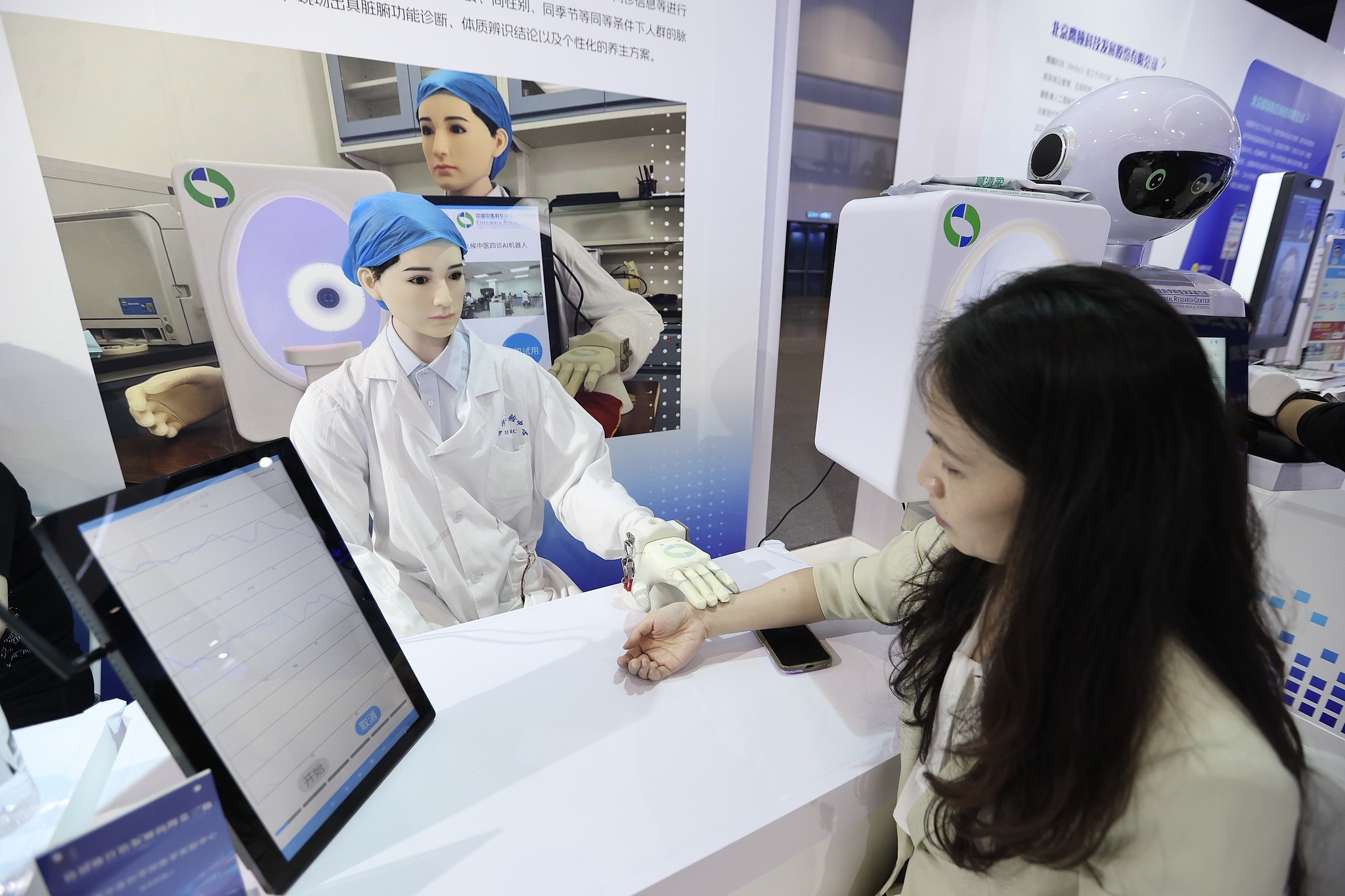
As an innovative type of product combining traditional medicine and modern technology, traditional Chinese medicine (TCM) robots have been emerging in the medical and health field in recent years.
Nowadays, multiple companies and teams have developed TCM robots, which are gradually transitioning from the laboratory to practical applications.
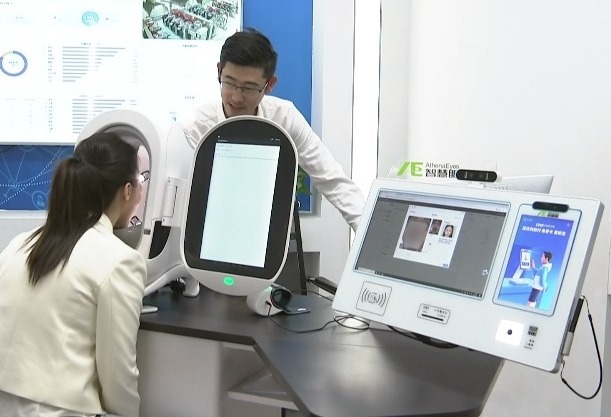
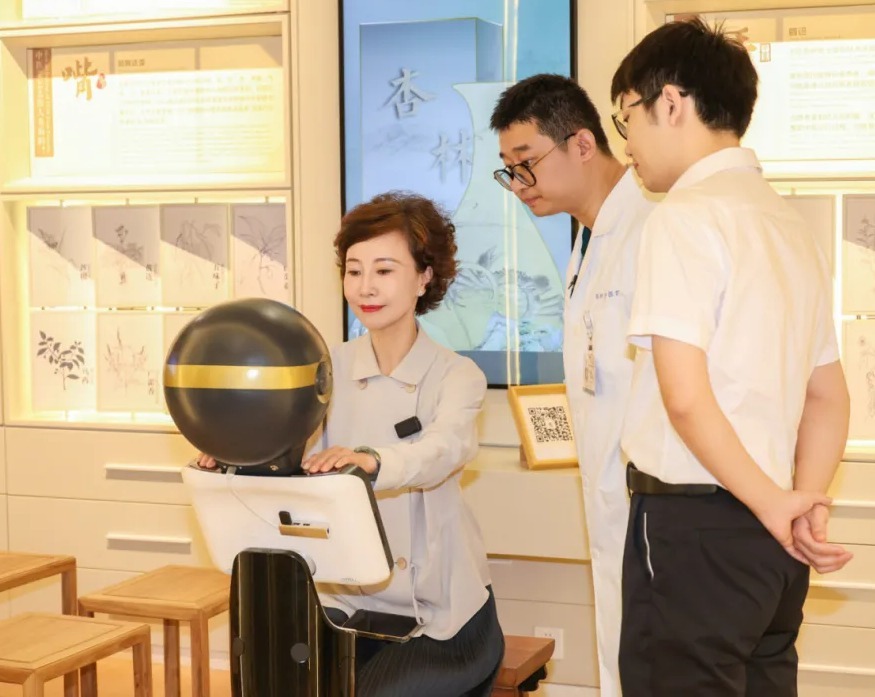
The TCM Four Diagnosis Robot (中醫四診儀) developed by AthenaEyes CO.,LTD. (智慧眼), headquartered in Changsha, is equivalent to the level of a Chinese doctor with 8 to 10 years of experience. Under the guidance of the robot, patients can sequentially tongue diagnosis, facial diagnosis, and pulse diagnosis—completing the entire process of inspection, listening, questioning, and pulse-taking in just five minutes.
Following that, the Four Diagnosis Robot can immediately generated a health assessment report, which not only reflects the patient's diagnosis results and constitution but also provided a comprehensive conditioning plan.

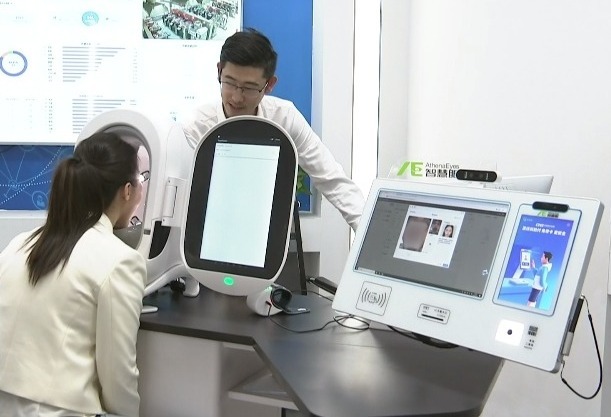
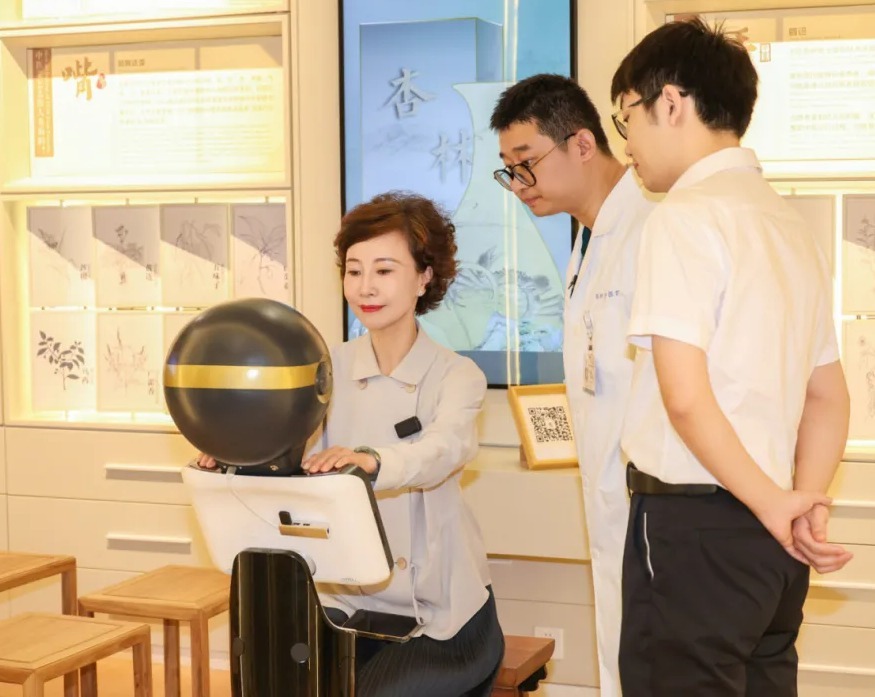
How can the four diagnosis robot achieve such precise "inspection, listening and smelling, questioning, pulse-taking" just like a TCM doctor? It turns out that this robot is based on the Bianshi (砭石) large language model (LLM) independently developed by AthenaEyes. The medical diagnosis accuracy exceeds 90%.
It has already been put into use in places such as Hunan Province and Chongqing. AthenaEyes hopes to quickly popularise this equipment at the grassroots level, actively supporting tiered healthcare and addressing the imbalance in primary care resources.
Read more: Chinese humanoid robots' new skills: Backflips, cycling and more
Physical therapy robots
The research and development technology of physical therapy robot has become increasingly mature, and they are also quite practical. In the areas of massage and moxibustion, robot companies have made many attempts.
A massage robot, developed by a Chinese company named VSTC (中科深谷), is a rigid robotic arm, but it possesses remarkably flexible and skilled massage techniques.
Equipped with a visual system, it can identify acupuncture points and areas to be treated on the human back through 3D visual scanning and infrared sensing in just one second, enabling precise massage.
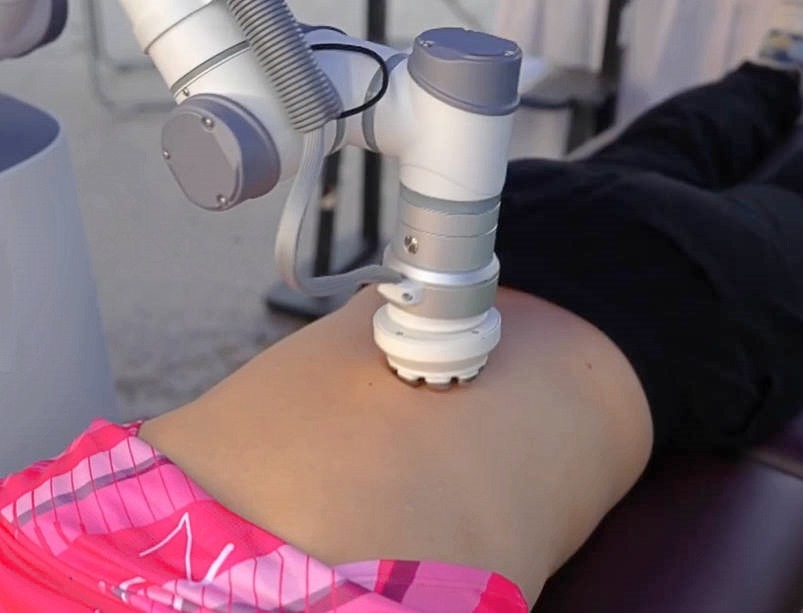
Such precise massage techniques are attributed to the domestically developed brain-like system. VSTC translates traditional Chinese massage techniques into algorithm language and invites national medicine masters to act as "personal trainers" for the robot.
Each time a massage technique is recorded, the robot collects hundreds of action data, accumulating them into a technique experience database. It then self-learns through the brain-like system.
The robot can adjust massage techniques and strength in real time based on the user's body shape and pain feedback, forming a personalised massage trajectory.
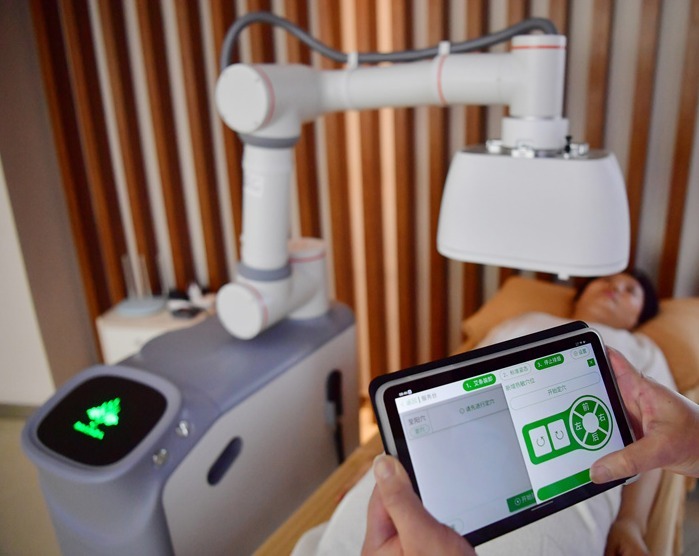
Another outstanding physical therapy robot is the thermal-sensitive moxibustion robot developed by the Affiliated Hospital of Jiangxi University of Traditional Chinese Medicine (TCM). Thermal-sensitive moxibustion (熱敏灸) is a new therapy created based on traditional moxibustion.
Compared with traditional moxibustion treatment, this robot generates no smoke or ash during the treatment process and can perform precise moxibustion for extended periods, avoiding the fatigue and inaccurate acupoint issues faced by practitioners during manual moxibustion treatments.
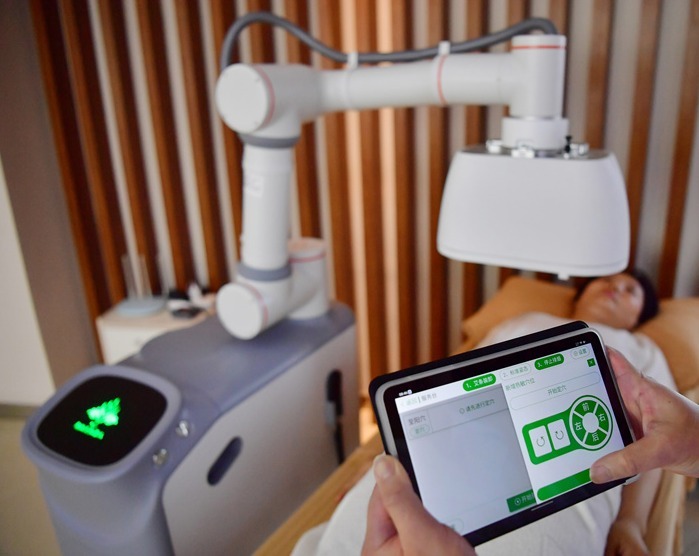

To start the treatment, doctors only need to open the thermal-sensitive moxibustion expert intelligent system on a pad, then select the acupoints, techniques, number of times, and duration for the treatment, and remotely control the flexible movement of the robot's mechanical arm, which is remarkably convenient and quick.
Read more: Shenzhen's Robot Valley: the "Silicon Valley" in robotic world
Elderly care robots
As the aging trend intensifies, the elderly population generally faces issues such as lack of companionship and health monitoring. Traditional elderly care services are also encountering issues such as caregiver shortages and high service costs.
However, the advantages of elderly care robots lie in their round-the-clock response, precise services, and emotional companionship capabilities.
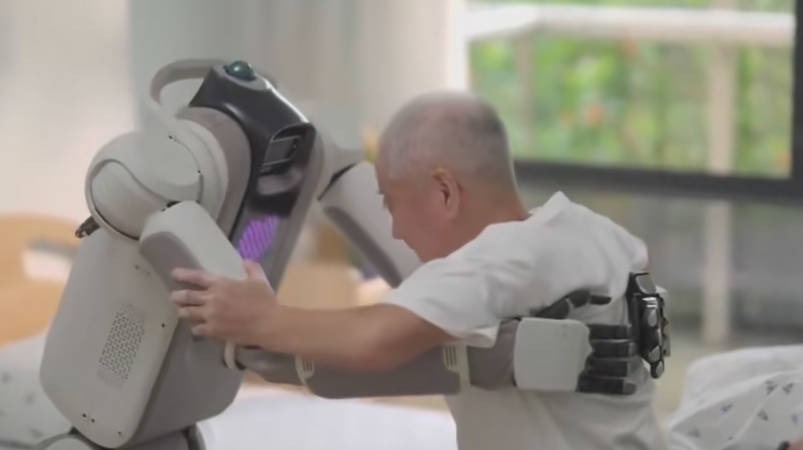
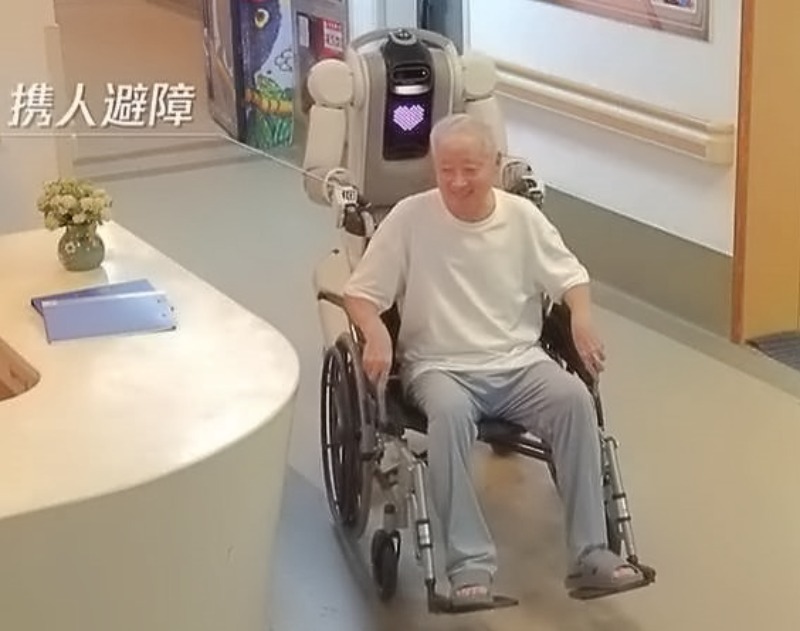
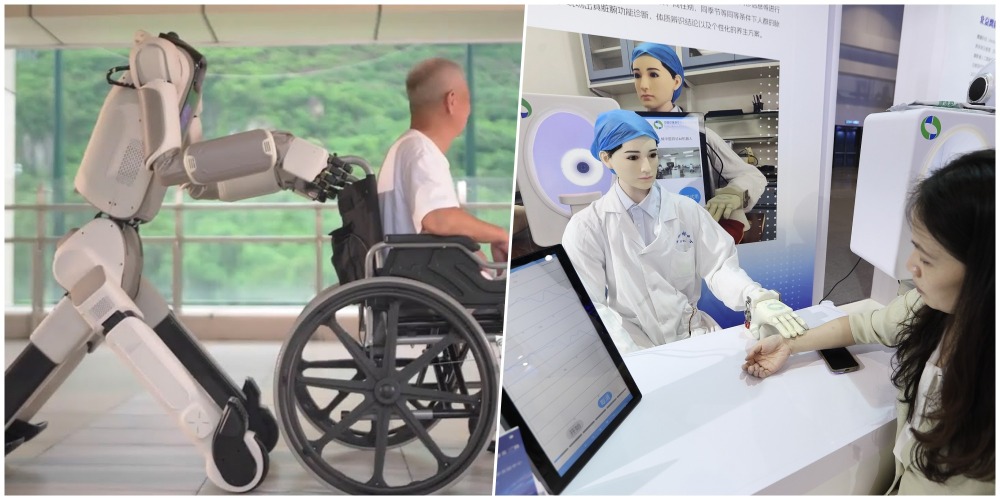
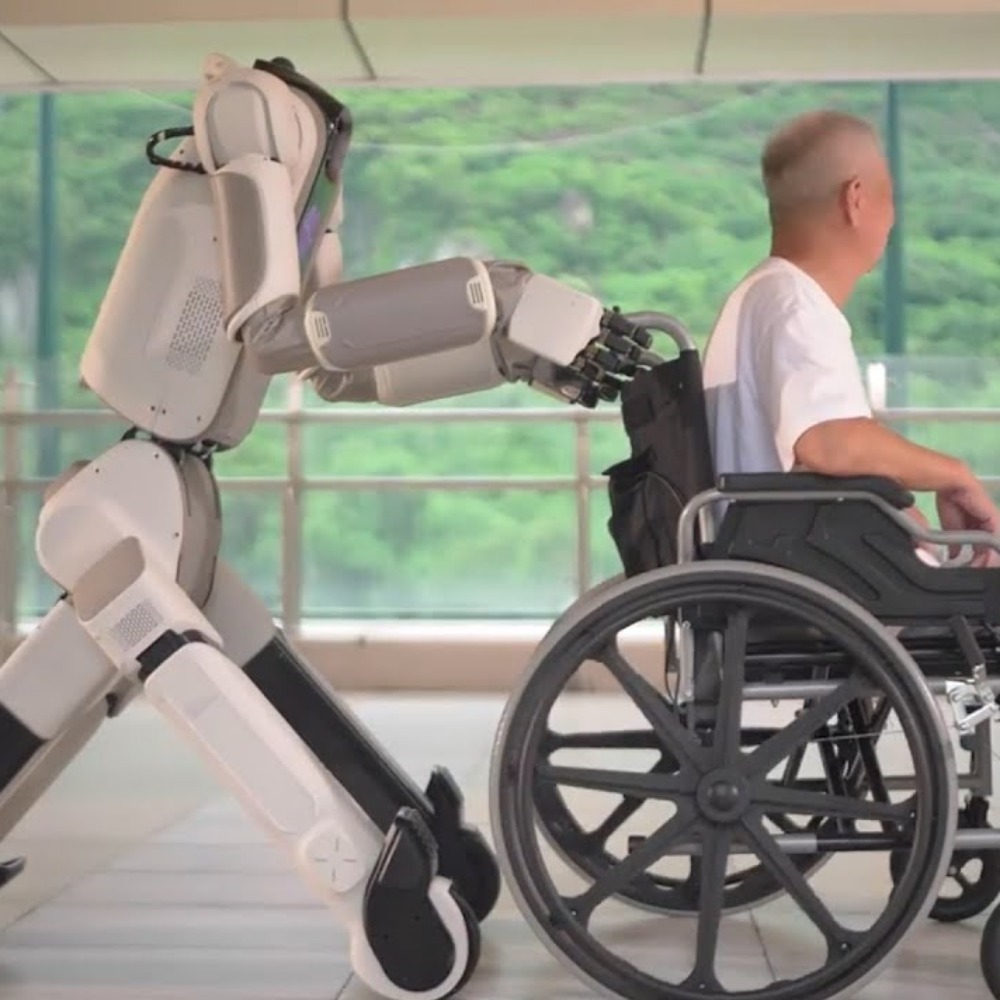
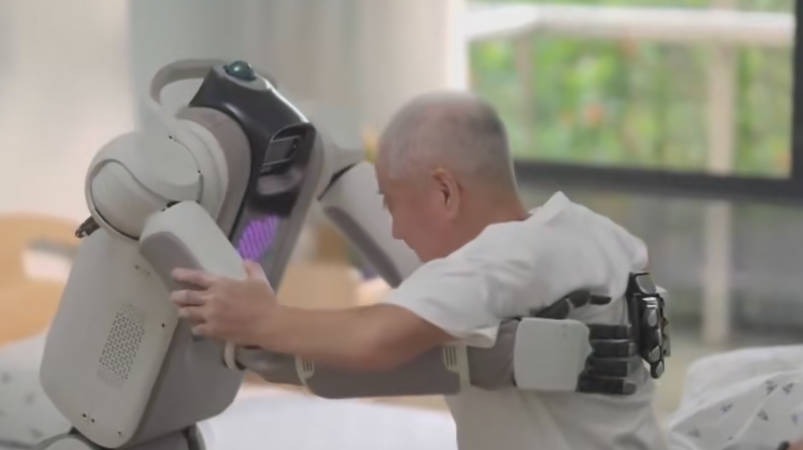
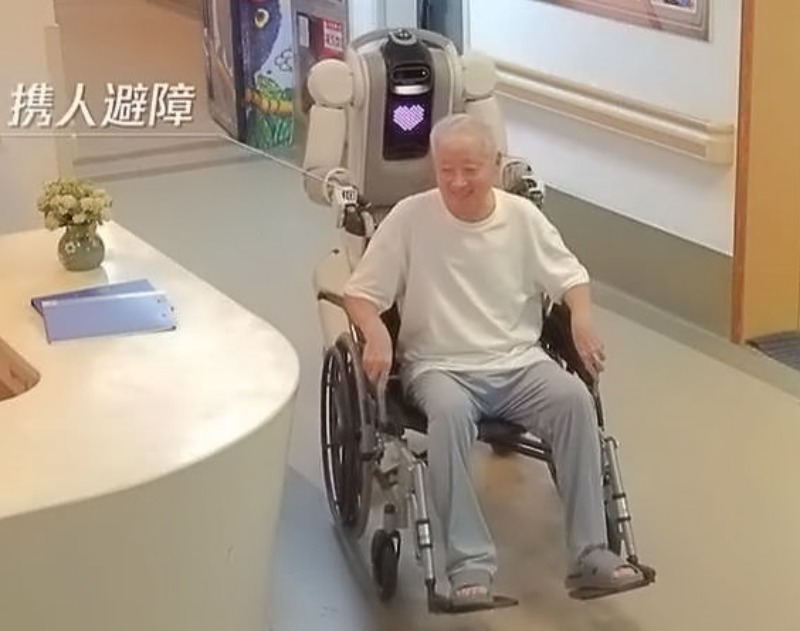
Now, several Chinese companies have already developed elderly care robots. Tencent's robot "The Five" (小五) stands out as the world's first humanoid robot specifically designed for senior care, which has already completed real-world testing in nursing homes.
This robot can detect when an elderly person needs to get up, safely transfer them from bed to wheelchair, and even safely navigate obstacles while pushing the wheelchair.
Another tech company base in Shanghai has released China's first AI companion robot "Xiaobai" (小白), capable of proactive dialogue and personalised interaction.
Its core functionality lies in perception and proactive initiation. It can actively guide users to interact, establish emotional connections, monitor health status, and create exclusive interaction profiles for each user.
It can also help the elderly develop good health habits and assist with daily chores, greatly enhancing convenience in life.
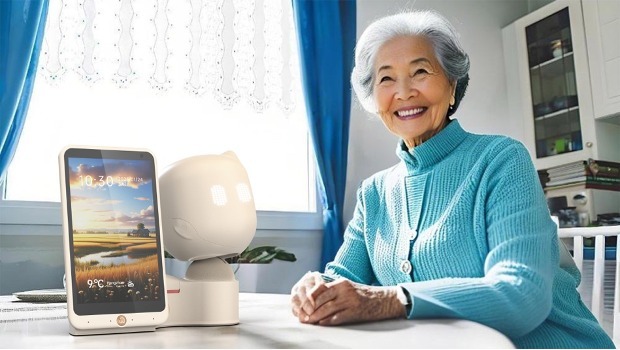
With the emergence of numerous elderly care robot companies, policies have also kept pace. In February 2025, China led the formulation of the world's first international standard for elderly care robots, indicating a high level of focus on the industry's development.
The next two years will see the launch of pilot projects for the application of intelligent elderly care robots, promoting iterative upgrades of these products in households, communities, and nursing homes.
Notably, more than 20 tech companies have already introduced robot equipment to Shenzhen nursing homes, making them genuinely useful for the elderly.
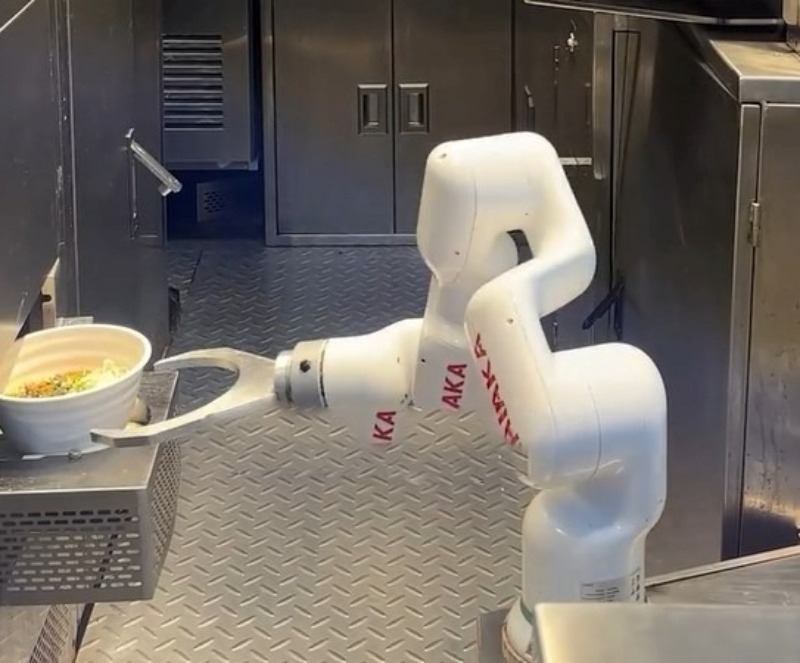
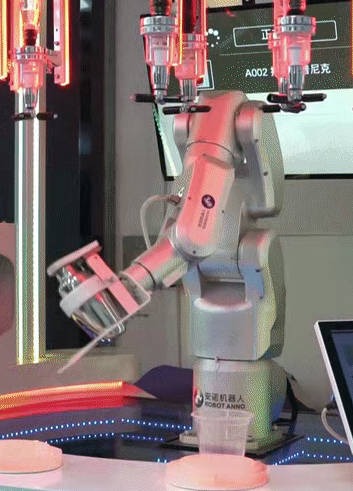
Besides these service robots, the food and drinks industry is also witnessing an innovative wave of robots. Robots are showcasing impressive professionalism in making drinks, latte art, noodles, ice cream and so on.
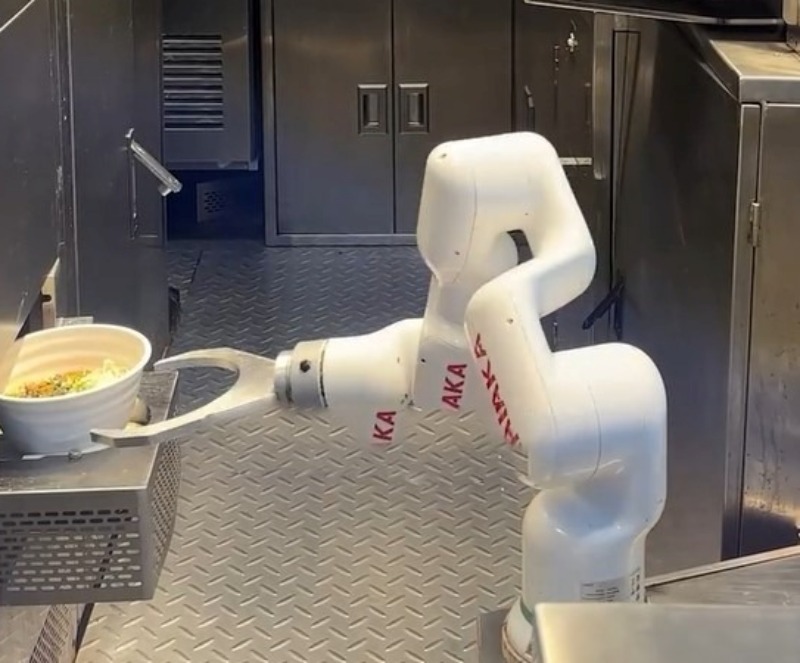
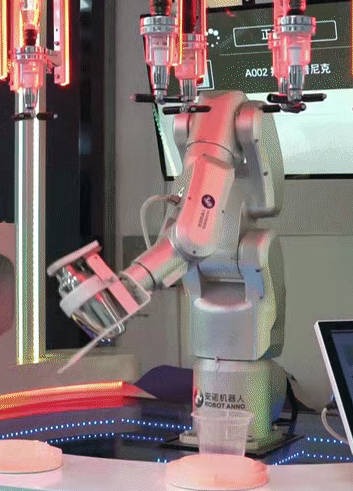
With continuous technological breakthroughs, more intelligent robots will enter our daily life scenarios in the future, providing convenient service experiences.